If there is one skincare category where formulation quality separates products more consequentially than any other, it is retinol. The active is inherently irritating. A well-formulated product delivers it gradually, stably, and with enough supporting chemistry that the skin can actually use it. A poorly formulated one delivers the same active in conditions that compromise the barrier before the benefit accumulates.
Price is not a reliable predictor. Some of the most irritating retinol products are expensive. Some accessible options are well-formulated. What matters is the delivery system, the supporting cast, the packaging, and the transparency about concentration.
What we looked for
When evaluating retinol products for this guide, four criteria drove the scoring:
- ◦Stable delivery. Retinol oxidizes on air and light exposure. Airless pump packaging and encapsulated retinol formulations both address this. A jar of retinol opened daily is degrading with every use — you may be applying far less active than you think by month two.
- ◦Appropriate concentration for stated purpose. A beginner product at 0.5% is mismatched for its intended user. An advanced product at 0.05% is underselling what experienced skin can handle. Concentration should be honest about its target.
- ◦Supporting barrier chemistry. Any retinol formulated without ceramides, peptides, or other barrier-supporting ingredients is optimizing for the active at the expense of the skin that has to tolerate it. The best retinol serums make tolerance as easy as possible.
- ◦Concentration transparency. Brands that disclose the retinol percentage clearly earn more trust than those using "retinol complex" or "encapsulated vitamin A" without further specification.
Top recommendation: Shani Darden Retinol Reform
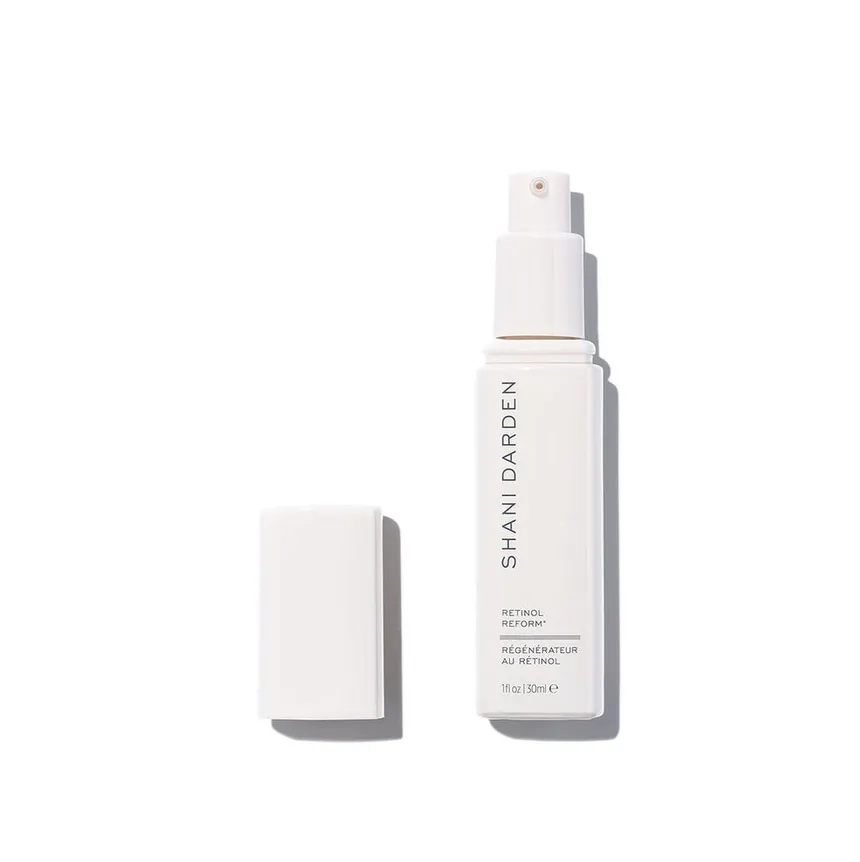
Our highest-scoring retinol at 8.9/10. The Shani Darden Retinol Reform earns its position through formulation integrity that the majority of OTC retinol products do not match.
The core: 2.5% encapsulated retinol delivered in an airless pump alongside lactic acid, which provides controlled surface exfoliation while the retinol works beneath. The encapsulation releases gradually after skin penetration, reducing the peak irritation associated with conventional retinol at equivalent concentrations. Texture is lightweight. Absorption is clean.
Score breakdown: Results 9.0, Ingredients & Safety 9.0, Skin Compatibility 8.5, Feel & Experience 9.0, Brand Trust 9.0, Price Value 8.0. The 8.0 on price value reflects a $88 price point — justified given the formulation quality but worth noting for those building a budget. Our tier: A.
Best for: Skin that has used retinol before, is ready for a higher-efficacy product, and wants the reliability of a professional esthetician-developed formula with transparent ingredients.
Not ideal for: Complete retinol beginners who have never used any vitamin A derivative. Start lower, build tolerance, then graduate here.
For beginners: what to look for
If Retinol Reform is not the right starting point — either because of cost, skin history, or retinol virginity — the criteria above still apply. Look for retinol at 0.1–0.25%, airless pump or opaque tube packaging, and a formula that includes at least one barrier-supportive ingredient (ceramides, peptides, niacinamide, or a face oil). Avoid products with heavy fragrance in a retinol formula; fragrance increases sensitization risk when the barrier is already in adaptation mode.
The introduction protocol applies regardless of product: once weekly for two weeks, twice weekly for four weeks, then assess. Do not use other actives on retinol nights. Apply barrier support after, always.
On pairing with a barrier-safe cleanser
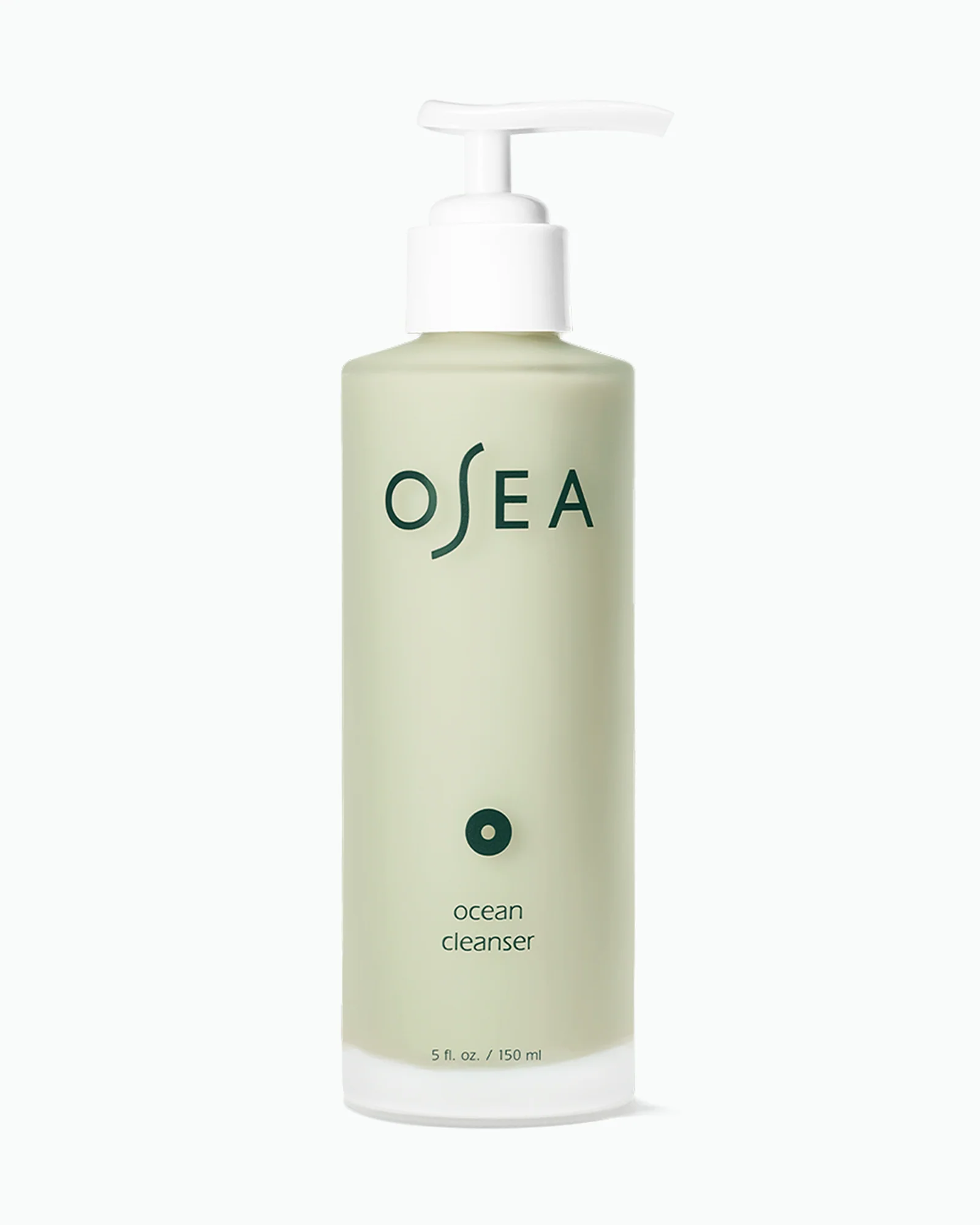
The cleanser used on retinol nights matters more than most people realize. A high-pH, sulfate-heavy cleanser immediately before retinol application creates a compromised, porous barrier that absorbs the active faster and more unevenly — increasing both irritation and inconsistent results. The OSEA Ocean Cleanser is what we pair with any retinol recommendation: sulfate-free, seaweed-based, low-pH, 9.5/10 skin compatibility score. It prepares the skin for what comes after rather than undermining it.
On timing expectations
Retinol is a slow-burn active. Meaningful results — smoother texture, more even tone, perceptible improvement in skin resilience — take three to six months of consistent use. Many people abandon retinol after six weeks because nothing visible has happened. Six weeks is often still the adaptation phase. The protocol is: build to twice weekly, maintain consistently for twelve weeks before evaluating whether it is working.
If skin becomes red, flaky, or acutely sensitive: slow down, not down entirely. Drop to once weekly until stable, then rebuild. This is not failure. This is calibration.
When to consider prescription
OTC retinol at 0.5–1.0%, used consistently, will produce meaningful results for most people over time. Prescription tretinoin — retinoic acid — has a deeper clinical evidence base and works faster because it requires no metabolic conversion. If you are working with a dermatologist, asking about tretinoin is worth the conversation. For those working independently, Retinol Reform represents the highest-quality OTC option we have found.
See our full scoring methodology and use the comparison tool to stack retinol options head-to-head.