Here's something the skincare industry rarely tells you: most of what people call "aging skin" is just dehydrated, barrier-compromised, or chronically irritated skin. The fix isn't a new category of product. It's the right product for what's actually happening.
What's actually happening
As skin moves through its decades, a few things change measurably. Sebum production slows. Cell turnover takes longer. The skin's ability to hold water becomes less robust. Collagen and elastin in the dermis remodel more slowly.
None of this is failure. It's physiology.
The mistake is treating all of these changes as a single problem with a single solution. They're not. Dry skin needs moisture and barrier support. Dull skin needs gentle exfoliation and antioxidants. Uneven texture needs a consistent exfoliant and patience. Different issues. Different responses.
The products that often get blamed
"My skin got worse after 40." We hear this often. Ninety percent of the time, when we trace back what changed, it's the products — not the skin. Harsh actives introduced too fast. Foaming cleansers stripping a barrier that can no longer self-repair as quickly. Multiple ingredients competing. Fragrance in every single product.
Your skin didn't suddenly become difficult. It became less resilient — and the products stopped meeting it where it is.
What actually helps
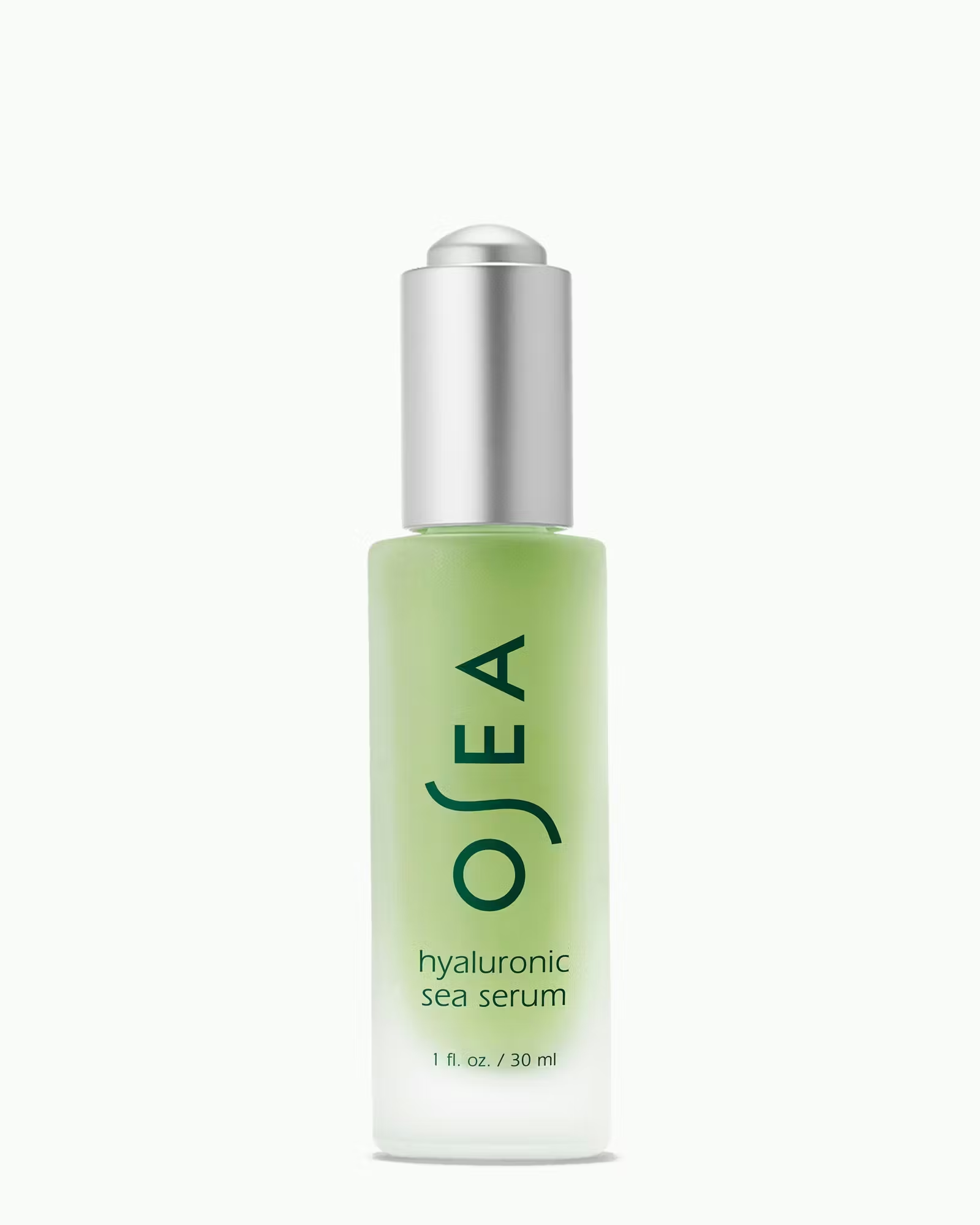
Focus on what's missing rather than what to fight. If your skin is dry, it needs humectants — hyaluronic acid, glycerin — and occlusives to seal them in. If it's dull, it needs circulation support, gentle exfoliation, and antioxidants. If you're experiencing more redness or sensitivity, it may need less: fewer actives, gentler cleansing, more barrier support.
The products that consistently outperform in our scoring for skin in its 40s, 50s, and beyond are not the most aggressive. They're the most intelligent — well-formulated, respectful of the barrier, and genuinely supportive of skin vitality.
One place to start
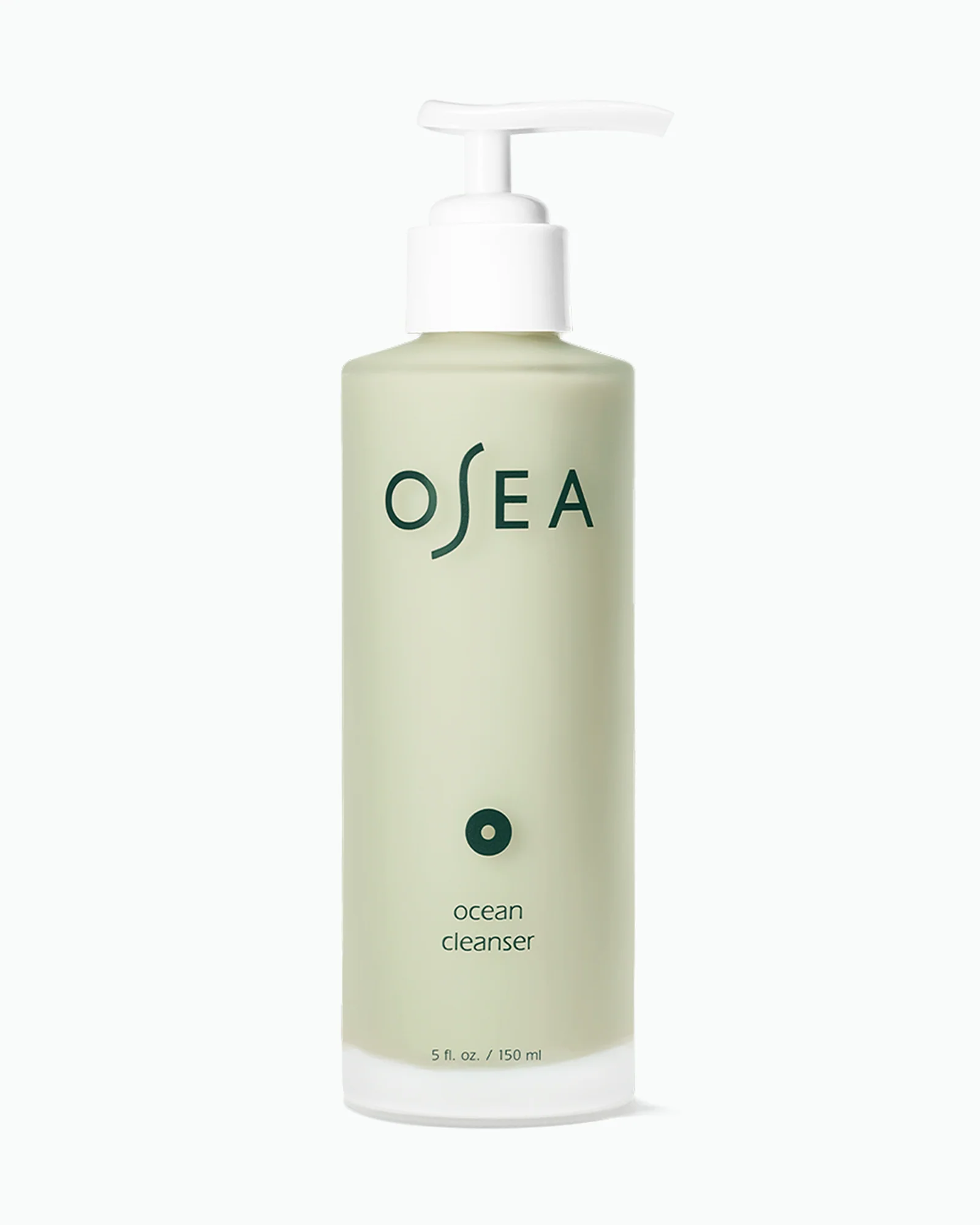
Look at your cleanser. It is the first and most repeated product in your routine. If it leaves your skin feeling tight or squeaky after rinsing, it is stripping the barrier every single time you use it. Fixing that one step changes everything downstream.